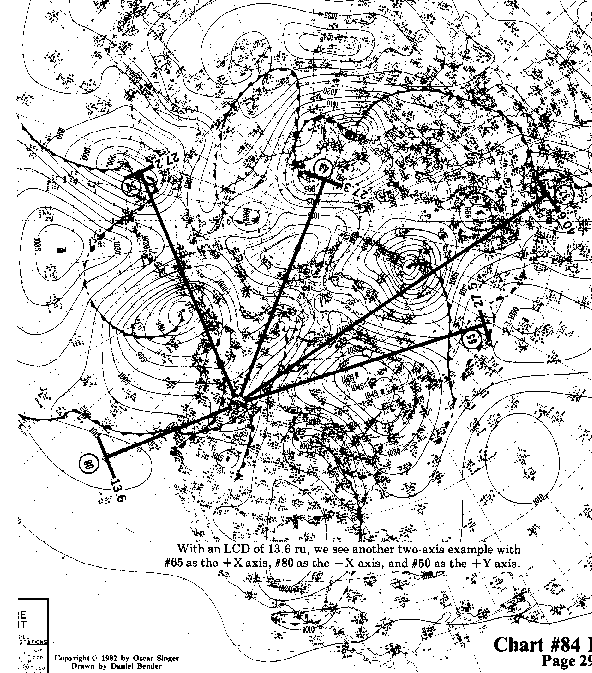
With an LCD of 13.6 ru, we see another two-axis example with
#65 as the +X axis, #80 as the -X axis, and #50 as the +Y axis.
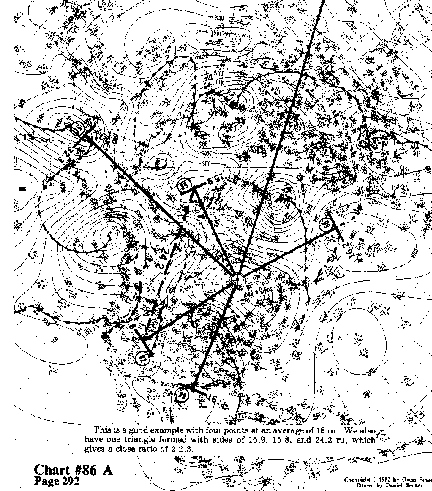
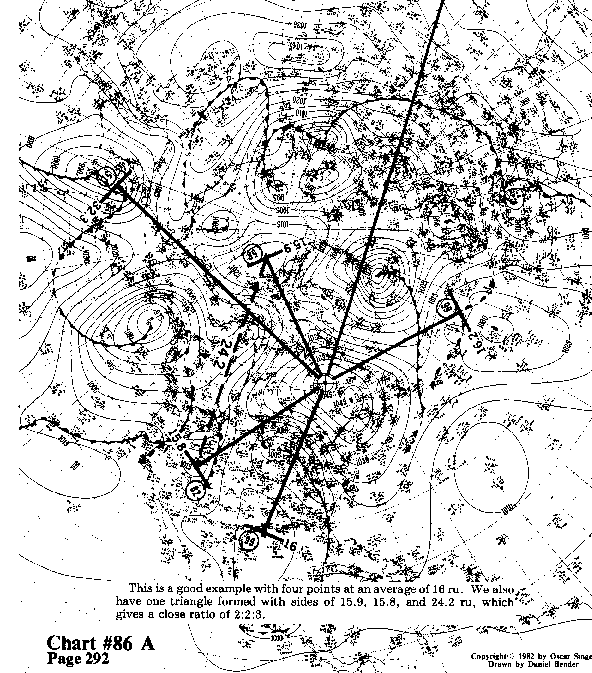
This is a good example with four points at an average of 16 ru.
We also have one triangle formed with sides of 15.9, 15.8, and 24.2 ru,
which gives a close ratio of 2:2:3.
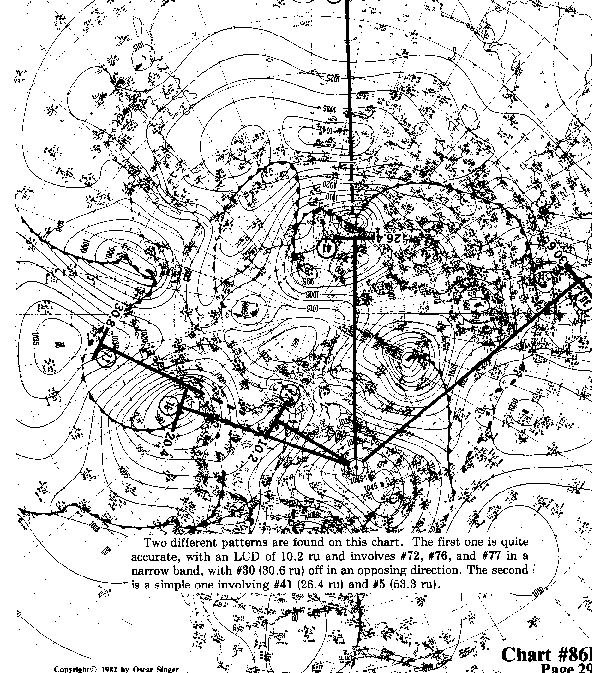
Two different patterns are found on this chart. The first one
is quite accurate, with an LCD of 10.2 ru and involves #72, #76,
and #77 in a narrow band, with #30 (30.6 ru) off in an opposing
direction. The second is a simple one involving #41 (26.4 ru) and #5 (53.3 ru).
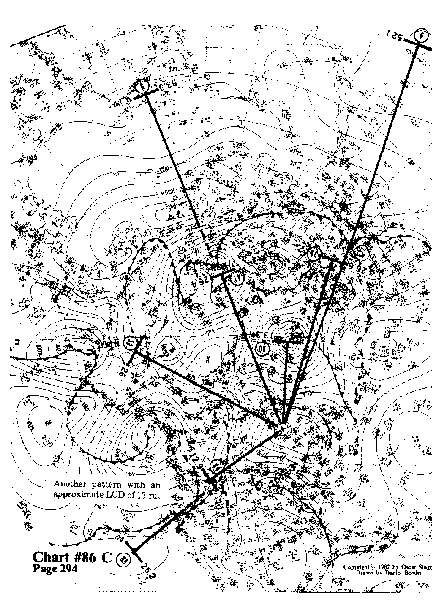
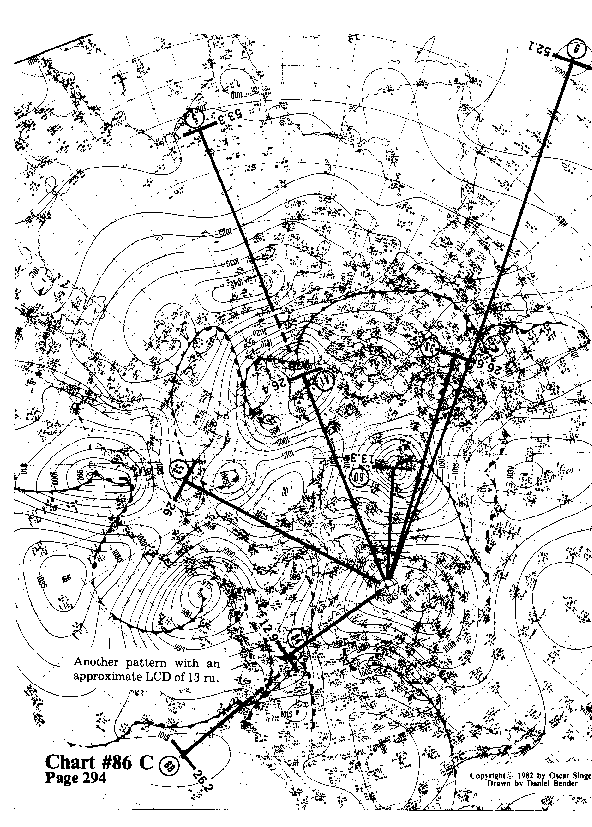
Another pattern with an approximate LCD of 13 ru.
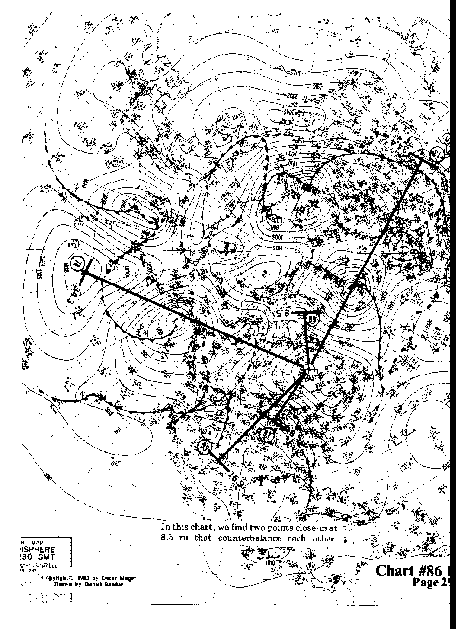
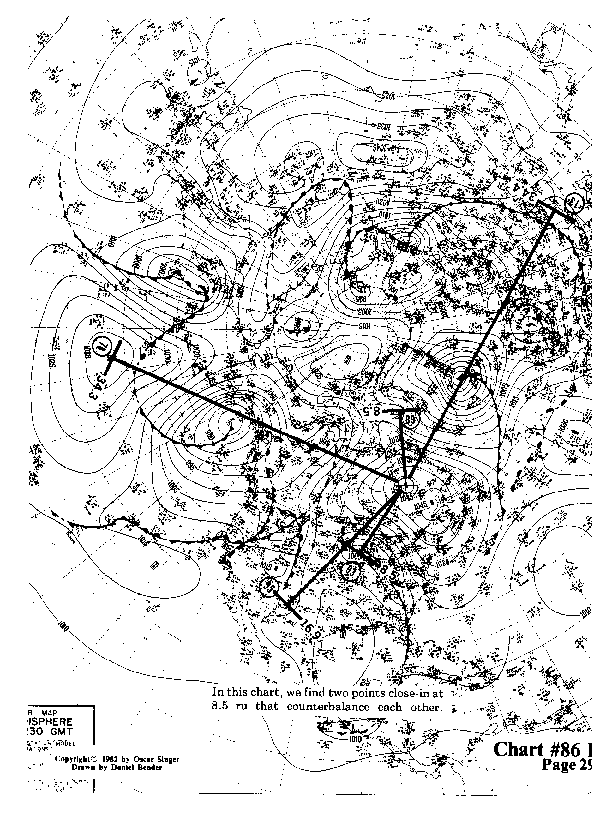
In this chart, we find two points close-in
at 8.5 ru that counterbalance each other.
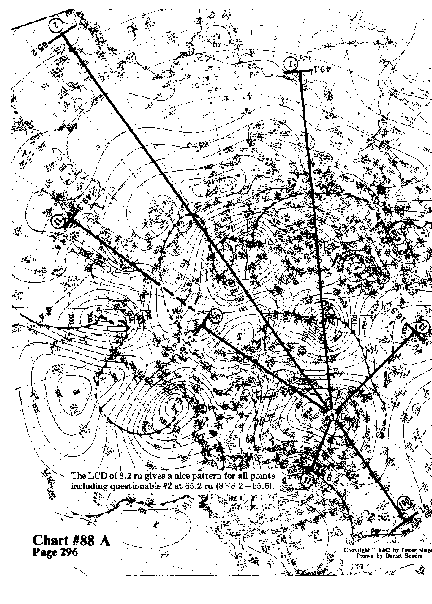
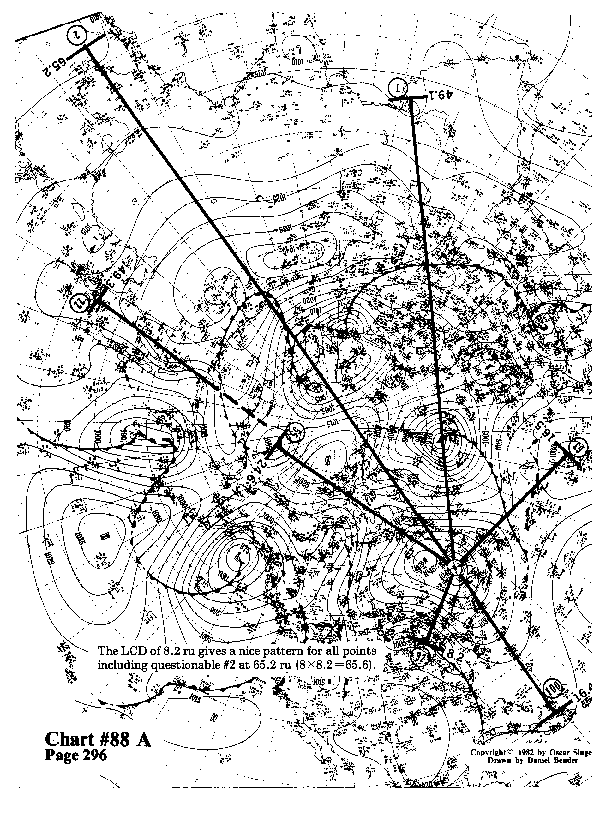
The LCD of 8.2 ru gives a nice pattern for all points including
questionable #2 at 65.2 ru (8 x8.2 =65.6).
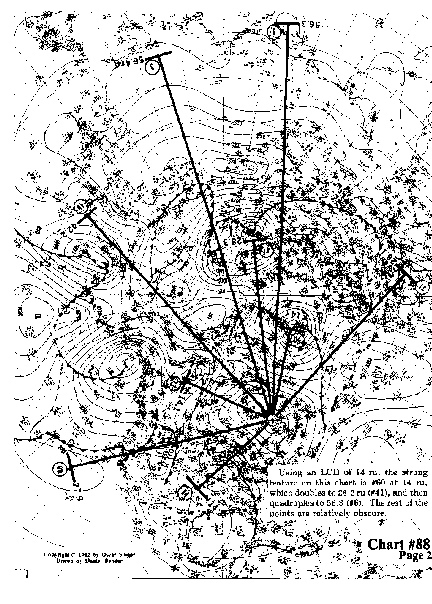
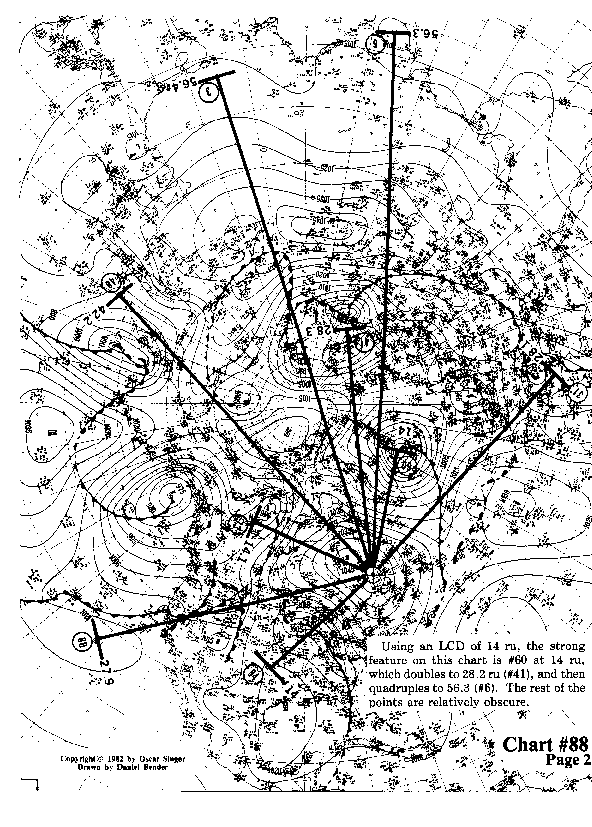
Using an LCD of 14 ru, the strong feature on this chart is
#60 at 14 ru, which doubles to 28.2 ru (#41), and then quadruples
to 56.3 (#6). The rest of the points are relatively obscure.
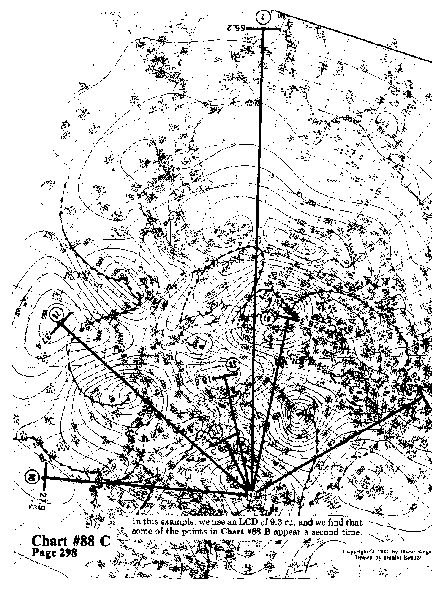
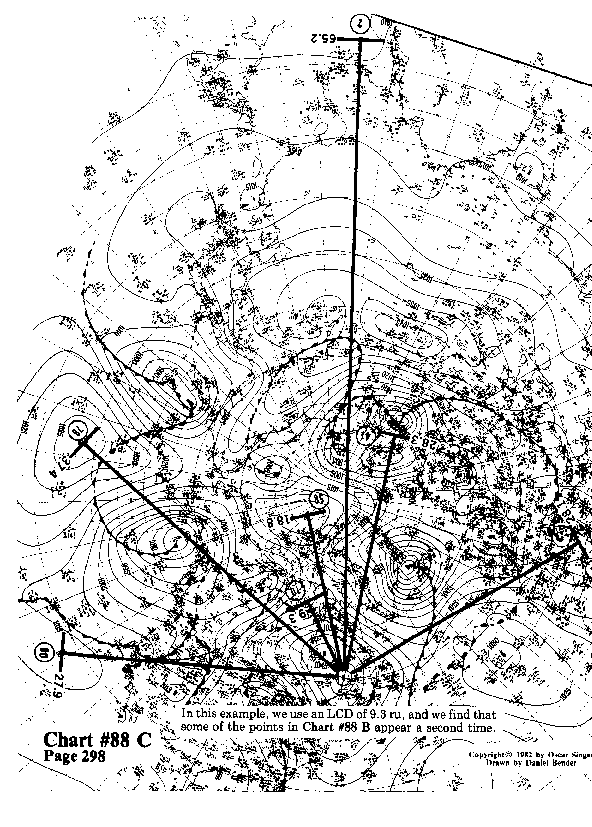
In this example, we use an LCD of 9.3 ru, and we find that
some of the points in Chart #88 B appear a second time.
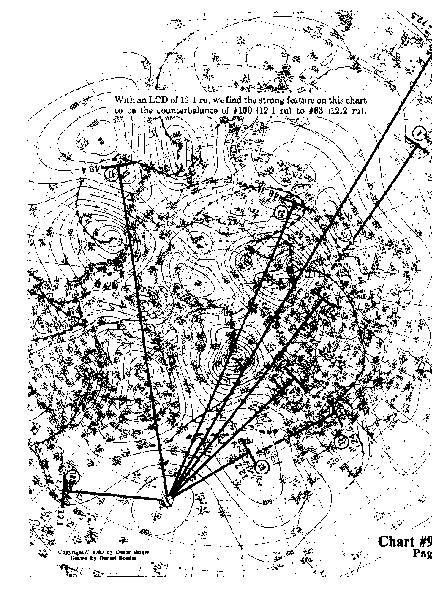
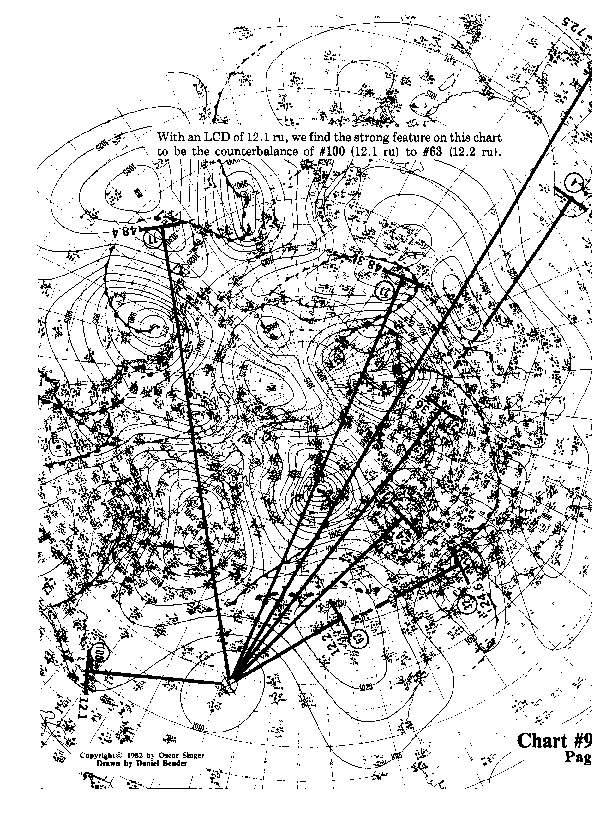
With an LCD of 12.1 ru, we find the strong feature on this chart to be the counterbalance of #100 (12.1 ru) to #63 (12.2 ru).
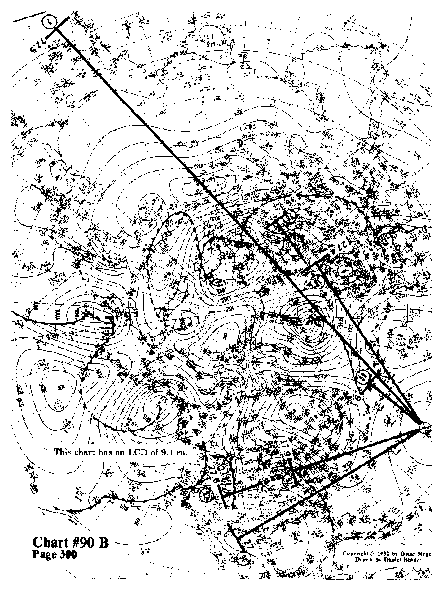
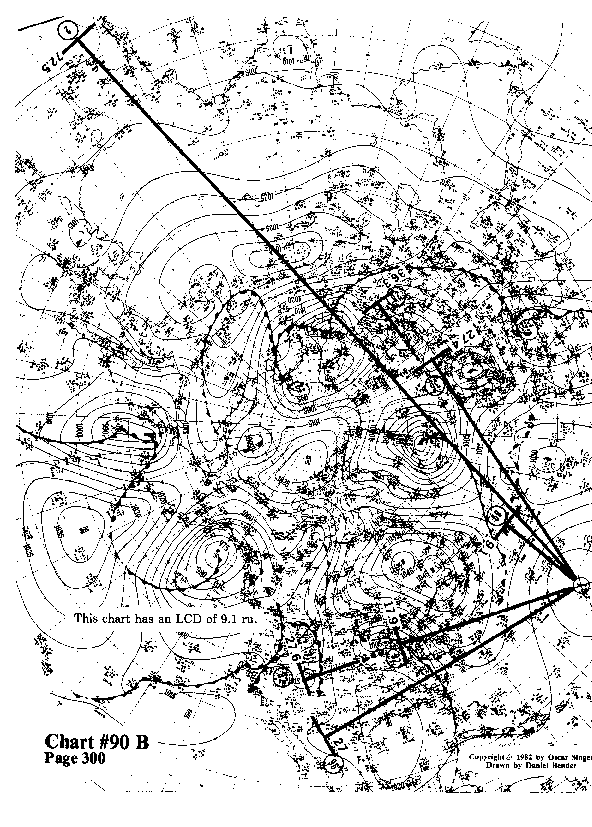
This chart has an LCD of 9.1 ru.