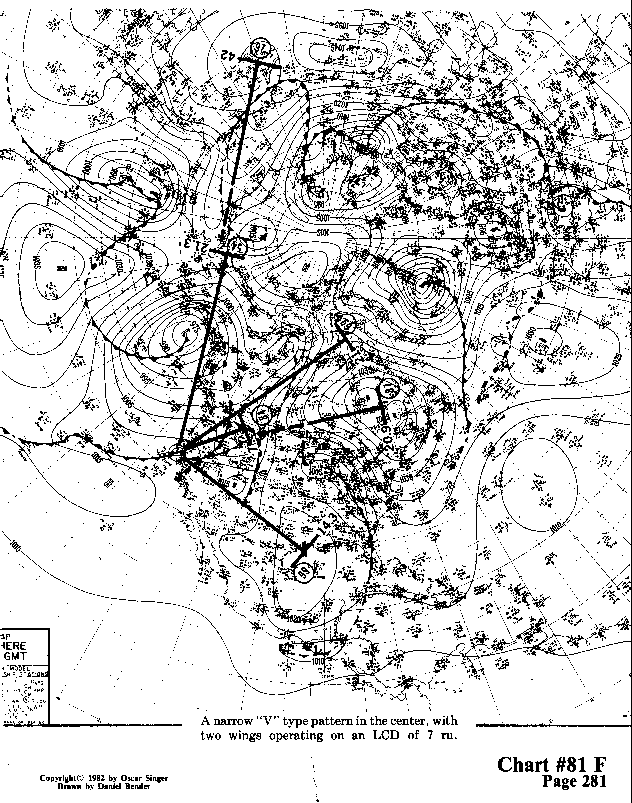
A narrow "V" type pattern in the center, with two wings
operating on an LCD of 7 ru.
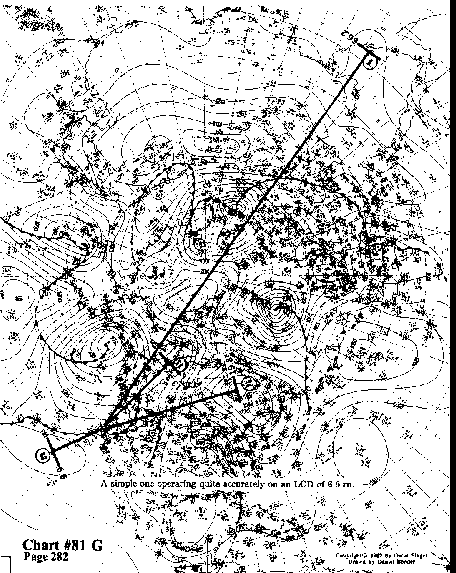
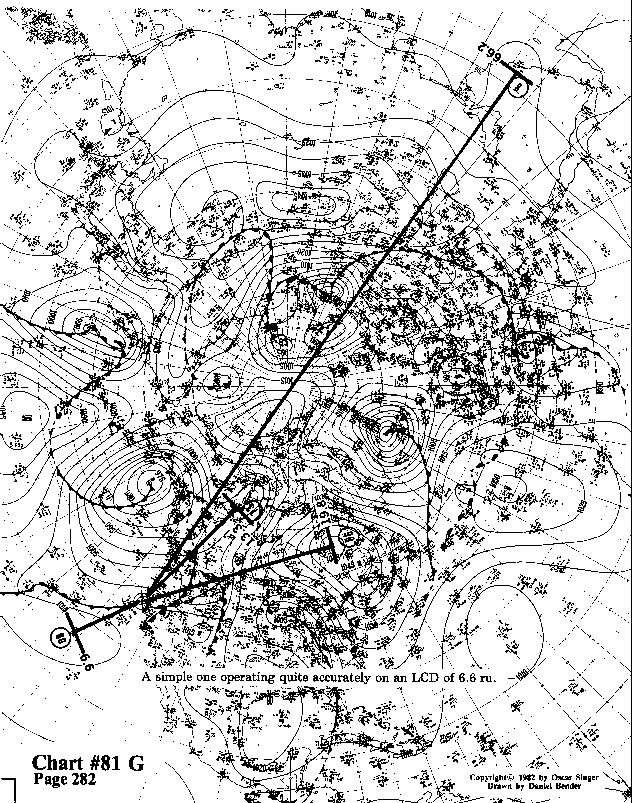
A sunple one operating quite accurately on an LCD of 6.6 ru.
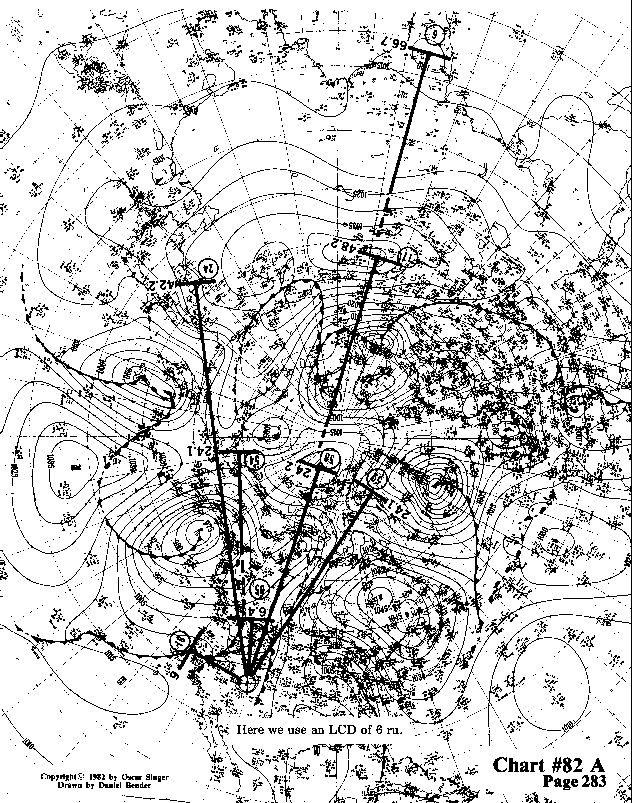
Here we use an LCD of 6 ru.
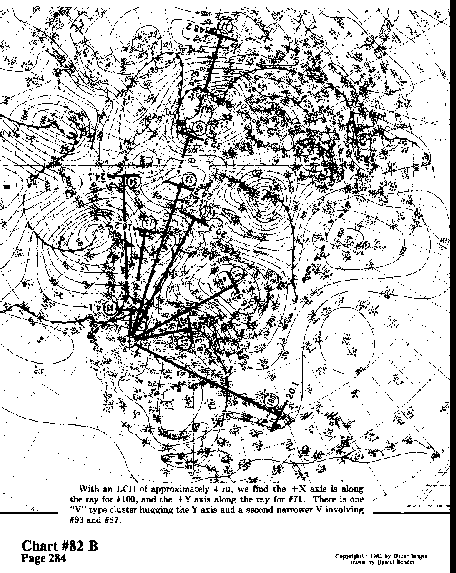
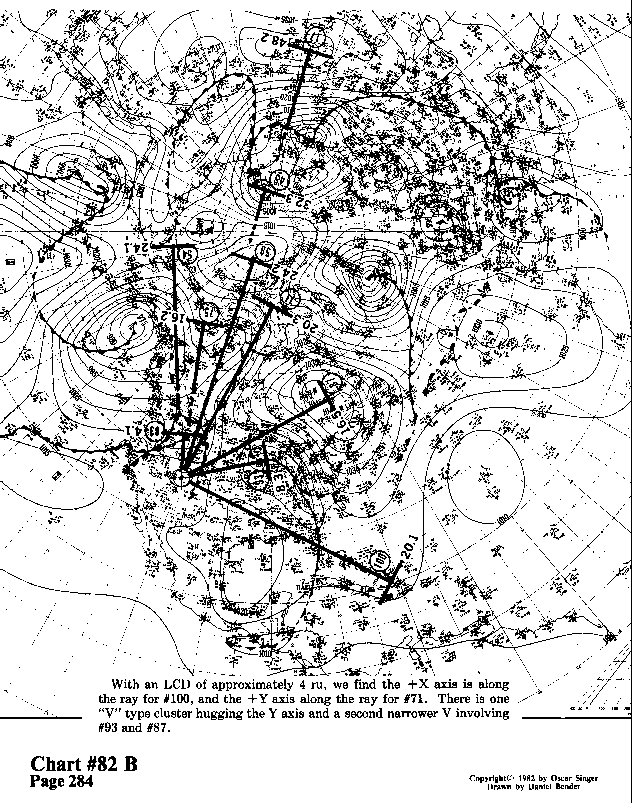
With an LCD of approximately 4 ru, we find the +X axis is along
the ray for #100, and the +Y axis along the ray for #71. There
is one "V" type cluster hugging the Y axis and a second
narrower V involving #93 and #87.
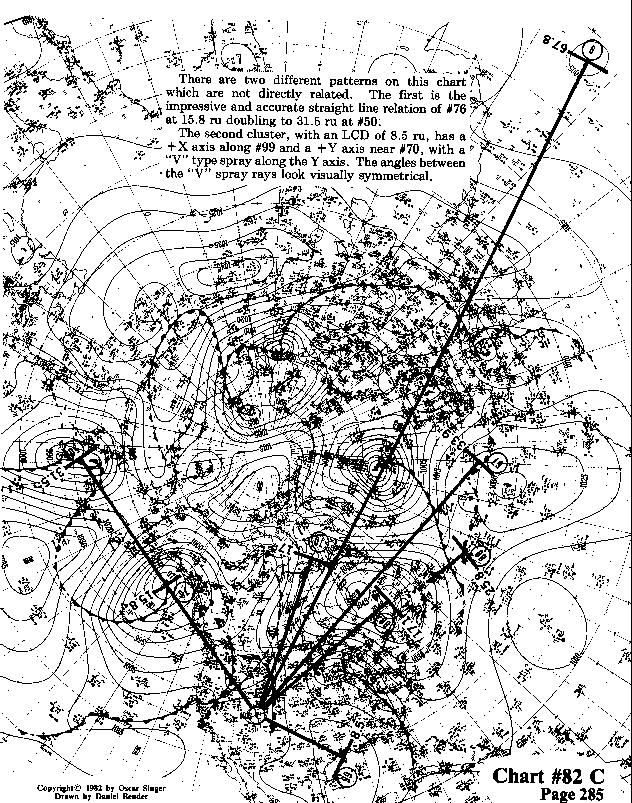
There are two different patterns on this chart: which are not
directly related. The first is the impressive and accurate straight
line relation of #76 at 15.8 ru doubling to 31.5 ru at #50.
The second cluster, with an LCD of 8.5 ru, has a +X axis
along #99 and a +Y axis near #70, with a "V" type spray
along the Y axis. The angles between the "V" spray rays
look visually symmetrical.
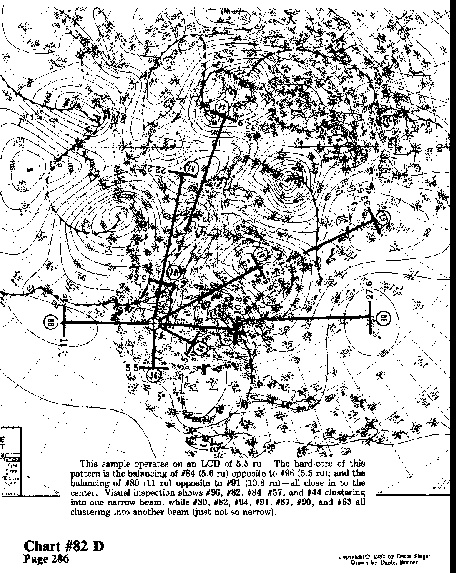
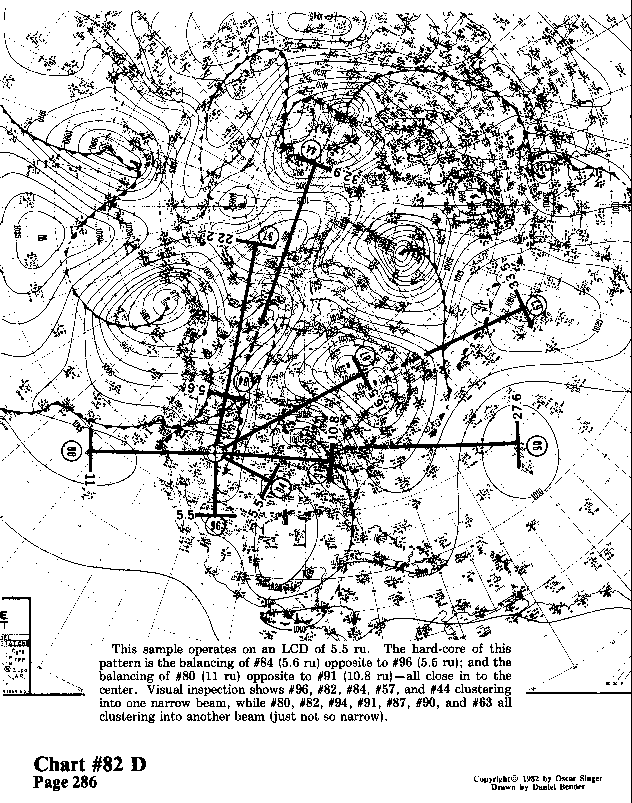
This sample operates on an LCD of 5.5 ru. The hardcore of this
pattern is the balancing of #84 (5.6 ru) opposite to #96
(5.5 ru); and the balancing of #80 (11 ru) opposite to
#91 (10.8 ru)--all close in to the center. Visual inspection shows
#96, #82,#84, #57, and #44 clustering into one
narrow beam, while #80,#82,#94,#91,#87, #90, and #63
all clustering into another beam (just not so narrow).
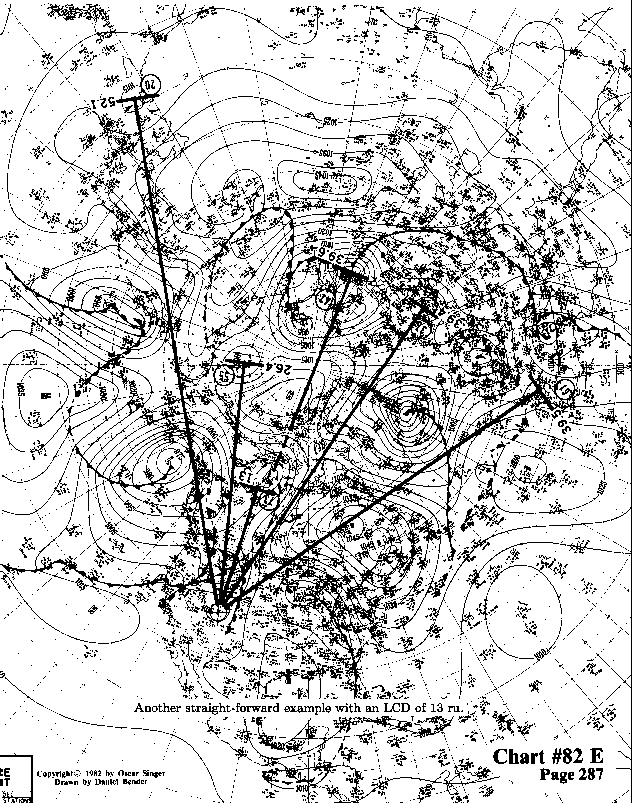
Another straight-forward example with an LCD of 13 ru.
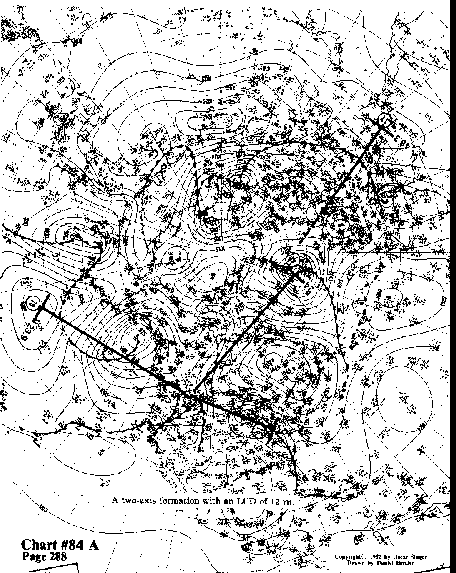
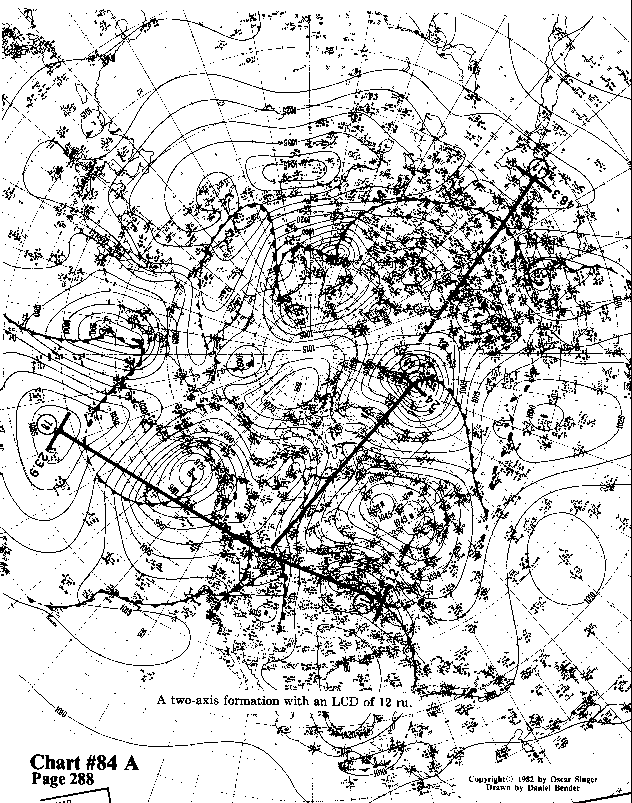
A two-axis formation with an LCD of 12 ru.
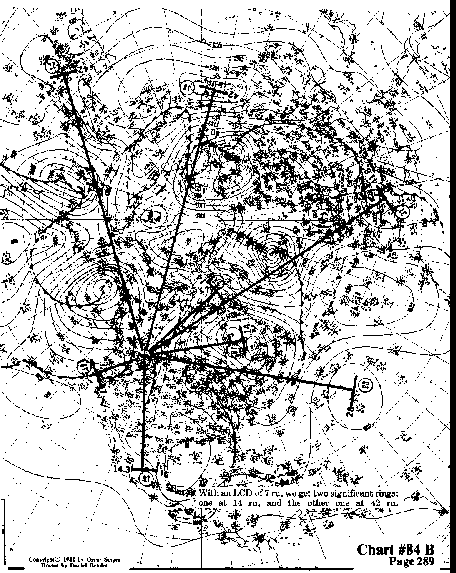
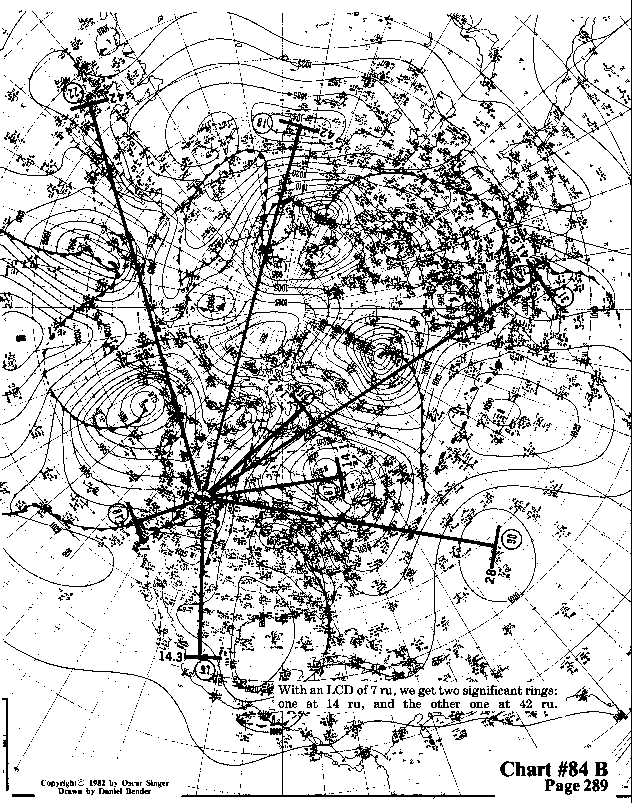
With an LCD of 7 ru, we get two significant rings: one at
14 ru, and the other one at 42 ru.
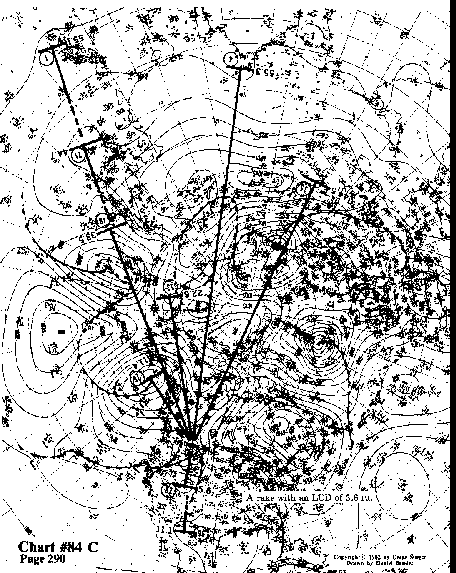
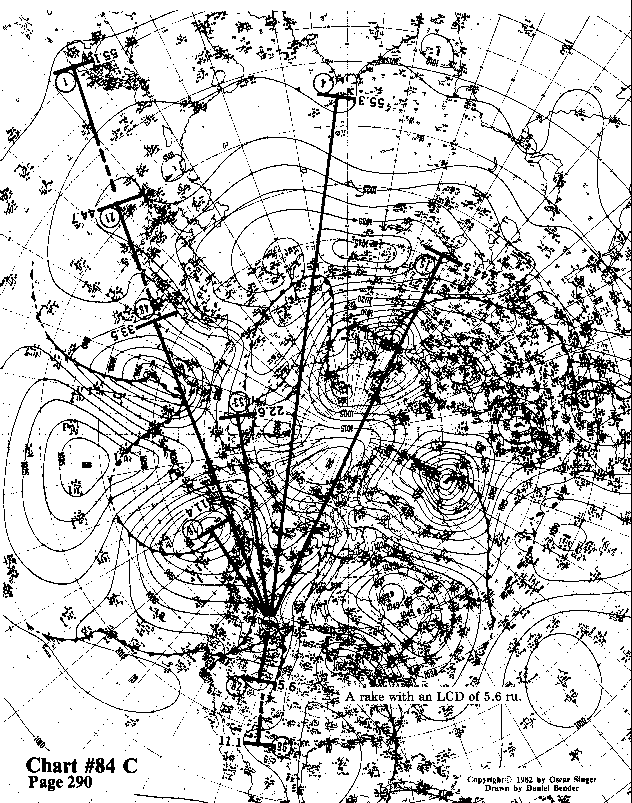
A rake with an LCD of 5.6 ru.